












Compare Tory Burch Style Tory Burch Website

Tory Burch Tops: Starting with Everyday Blouses to Statement Pieces
Nowhere is that identity clearer than within its top-related lines, since the label forged its name on polished American sportswear staples with a bohemian twist. If you happen to be layering a silk blouse under a blazer for the office or opting for a printed tunic while traveling, the label’s shirting and knitwear consistently balance refinement with character. This overview covers what makes Tory Burch tops deserving of the splurge, how they compare across categories, and where to look for extra savings, including outlet channels and seasonal sales.
Anyone researching a Tory Burch review will find similar points reiterated by repeat buyers: textiles that endure after repeated washes, shapes that flatter yet don’t cling, and patterns that read as original rather than copied. Tory Burch’s top styles are seldom chasing fads just to chase them. Instead, they tend to reinterpret classic shapes, pullover blouses, button-downs, tunics, with subtle design signatures like branded buttons, contrast piping, or the brand’s recognizable double-T hardware.
What Sets Tory Burch Tops Apart
The construction details carry more weight than buyers usually assume. Many Tory Burch blouses use silk crepe de chine or cotton poplin, fabrics chosen for drape and breathability rather than just visual appeal. Seam work is generally clean, tory burch bags and closures, be it buttons, ties, or concealed zippers, are sturdy enough to survive years of regular wear. This contributes to why Tory Burch commands premium pricing next to fast-fashion brands, yet still draws faithful repeat shoppers who see the expense as worthwhile in the long run.
Print development is another area where the brand steadily sets itself apart. Floral prints, geometric designs, and archive-driven motifs show up time and again, but they’re rarely identical. The design team usually adjusts size, color palette, and positioning enough that longtime collectors can tell apart a 2022 print from a 2026 one. That level of care is part of what fuels the persistent buzz around Tory Burch’s top clothing picks among stylists and fashion editors alike.
It’s worth tackling fit head-on, since it’s the question asked most often from new shoppers. Sizing on tops usually runs accurately but with a looser allowance through the body, meaning those caught between two sizes are often advised to drop a size for something more tailored or keep to their usual size for a more relaxed drape. Sleeves typically fall at the wrist bone on blouses, which is ideal for layering during colder months. Checking the individual product details continues to matter, since crop tops and tunic styles will fit differently than a regular button-front shirt.
Breaking Down the Tops Lineup
Organized into several distinct groups, the collection covers a distinct segment of a woman’s wardrobe through each grouping. Silk blouses land at the higher end, often designed for office or evening settings when a polished aesthetic is needed. In contrast, cotton poplin shirts skew casual and are built for regular use, pairing easily with denim pieces or tailored pants. Knit pieces and sweaters fill out the range, useful for shifting temperatures and commonly built around its patterned cable or rib details.
Statement pieces deserve their own mention. These items are the styles centered on a standout design detail, whether an oversized bow, a dramatic sleeve, or a bold color-blocked print, intended to lead an outfit instead of disappearing into it. They tend to sell out faster during sale periods, so those tracking a top 10 Tory Burch roundup every season will often see the same statement blouses reappearing on bestseller charts year on year.
Tunics fill a somewhat separate niche, typically aimed at travel and poolside dressing. Longer in length and looser in fit, they typically appear beside the brand’s swimwear and cover-up lines. Since tunics are so commonly matched with sandals on warm-weather getaways, it bears mentioning that shoppers building a full resort wardrobe regularly match these tops to Tory sandals, as the brand creates a number of sandal styles made specifically to pair with its print collections.
Tory Burch Top Styles Compared
Since the range covers multiple fabric types and price levels, a side-by-side comparison helps clarify which style fits which occasion. The table that follows details four standard groupings organized around standard fabric type, purpose, and rough price tier throughout the brand’s collection.
| Style of Top | Standard Material | Well-Suited To | Approximate Price Level |
|---|---|---|---|
| Silk Top | Silk crepe de chine | Work settings, evening occasions | Upper tier |
| Cotton Shirt | Cotton poplin | Regular everyday styling | Moderate pricing |
| Sweater Knit | Wool or cotton blend knit | Shoulder-season, cooler climates | Middle to upper tier |
| Resort-Style Tunic | Lightweight cotton or linen blend | Resort trips, poolside wear | Moderate pricing |
This breakdown is useful when planning purchases around a capsule wardrobe. Instead of purchasing several tops within one category, distributing choices among silk, cotton, knit, and tunic options typically results in a more adaptable wardrobe rotation that meets work, weekend, and travel needs while avoiding repetition.
Styling Tops With the Rest of the Line
Tory Burch designs its collections with cross-category pairing in mind, which is part of why so many shoppers end up buying beyond just the top itself. A printed silk blouse often shares a color story with a matching skirt or trouser from the same season, making coordinated outfits simple to assemble without much guesswork. The brand’s accessories team applies the same logic to footwear, so it’s common to see a floral blouse released alongside Tory Burch shoes in a complementary shade.
The bag category follow an analogous pattern. Structured totes and its signature quilted styles are routinely coordinated with fitted blouses in lookbooks, reaffirming its overall aesthetic of polished-but-relaxed dressing. For shoppers building a full outfit rather than a single piece, browsing the current season’s full collection, rather than just the tops section, often reveals these intentional pairings.
Changeover points in the calendar are where tops earn their keep. A silk blouse styled solo in the summer months can be layered under a sweater or blazer come autumn, making it useful across a much wider span of the calendar. This design mindset geared toward layering is a common thread across virtually every top in the Tory Burch lineup, and this is a key reason resale value on these pieces tends to hold up fairly well next to throwaway fast-fashion tops.
How to Find Value: Markdowns, Outlets, and the Right Timing
Price is naturally a consideration for most shoppers, with a few dependable approaches available for managing expense without giving up on quality. At the Tory Burch outlet, previous-season pieces are stocked at discounted price points, and although the assortment shifts often, unhurried shoppers can frequently find blouses and knitwear from the latest lineups at a meaningful discount. A single visit tends to yield fewer finds than checking in regularly, since outlet inventory changes so quickly.
A further key chance comes from seasonal sale events: a Tory Burch sale typically arrives around end-of-season transitions, and late summer as well as the stretch just past the winter holiday season stand out as the two most predictable windows. These markdown events commonly showcase tops from only a handful of months earlier, which means customers get the chance to grab recent designs rather than only older archive pieces. Signing up for email alerts is the simplest way to take advantage of these periods before in-demand sizes run out.
For shoppers weighing overall worth, checking out a thorough Tory Burch review before making a purchase is worth the ten minutes it takes. Independent reviews often touch on fit consistency, how well colors hold up after washing, and how a given fabric holds up over an entire season of use, things that pictures alone fail to show. Lining up that research with outlet and sale schedules tends to produce the most favorable result for cost-conscious buyers who still want pieces from the strongest items in the Tory Burch clothing range.
Rounding Out the Tops Edit, Final Thoughts
Planning ahead when shopping Tory Burch tops pays off. Open with a flexible cotton shirt suited to everyday use, next bring in a silk blouse for dressier occasions, and round out the lineup with a knit piece for when temperatures drop. After that, a single statement piece — featuring a vivid motif or distinctive sleeve — rounds things out with an item that shines on its own.
No matter if paying full price for a latest-season statement piece or searching outlet stores for a beloved earlier style, the core craftsmanship holds steady across the lineup. This consistency, paired with thoughtful design and real coordination across categories with shoes, bags, and accessories, is precisely the reason Tory Burch tops remain a wardrobe staple season after season.
Rick Owens Sneaker Care Tips Easy Returns
How to Authenticate a Rick Owens Hoodie: 7 Details Fakes Get Wrong
Counterfeiters love the Rick Owens hoodie for a reason: it is instantly recognizable, widely desired, and expensive enough that a fake can sell for real money. Because authentic DRKSHDW hoodies retail between $400 and $650 while mainline versions climb past $1,400, the incentive to counterfeit them is huge. The brand obsesses over details that are hard to replicate cheaply, and that’s precisely what gives the fakes away. Whether you’re browsing a Rick Owens sale, a resale site, or a stranger’s listing, this guide details the seven things counterfeits reliably botch so you can purchase with confidence. None of these checks require special equipment, just attention and a known reference point. Go through all seven before handing over money, and most counterfeits will weed themselves out. Authentication is a process of stacking evidence, not finding one magic clue.
1. The Weight of the Fabric and How It Feels
Heavyweight cotton jersey is expensive, so counterfeiters cut this corner first, making the fabric itself the most dependable giveaway of all. An authentic Rick Owens hoodie feels weighty in the hand, with a thick, slightly firm jersey that falls under its own weight rather than drifting. Real DRKSHDW cotton normally sits in the 12 to 14 ounce range, producing a structured fall that flimsy fakes are unable to copy. When you hold a real one, the matte surface absorbs light instead of looking shiny or plasticky. Counterfeits nearly always feel lighter, thinner, and closer to a mass-market sweatshirt off the high street. Rub the fabric between your fingers; genuine jersey has a dry, dense texture, while counterfeits often feel slick or papery. This one check alone weeds out a huge share of fakes before you so much as glance at a label.
2. The Drawstrings and Their Proportions
Forgers regularly mishandle the proportions rickowenssale.us.com of the oversized drawstrings, even though those long cords are a core Rick Owens signature. On many authentic styles the cords are dramatically long, sometimes hanging well past the hem, and they are made from a flat, dense woven tape rather than a round shoelace-style string. Those cord-end tips, the aglets, tend to be tidy and consistent on the real thing rather than frayed or messily glued. Fakes tend to substitute shorter, cheaper round cords, as the correct flat woven tape is more expensive to source. Check how the drawstring is anchored at the hood; genuine pieces have neat, reinforced eyelets with no loose threads. The heft and swing of the cord should feel intentional, not flimsy. Since this detail shows up so clearly in photos, it’s among the first things seasoned buyers check.
3. Stitching Density and Seam Construction
The stitching reveals the entire story, and it is construction quality that separates a $600 garment from a $40 counterfeit. Real Rick Owens hoodies feature tidy, uniform, dense stitching with no dropped stitches, no puckering, and no loose threads trailing from the seams. Those dropped-shoulder seams and extended hems are precisely sewn, as the slumped shape only succeeds when the build is exact. Turn the garment inside out and examine the interior seams; on authentic pieces they’re neat and finished rather than raw or fraying. Fakes frequently betray themselves with crooked seams, inconsistent stitch spacing, and threads that pull loose with the slightest tug. At the cuffs and hem, the ribbing ought to be firmly fixed and consistent in tension. Sloppy interior construction is one of the most dependable signs you are holding a counterfeit.
| Detail | Authentic | Common Fake |
|---|---|---|
| Fabric weight | 12–14 oz, dense matte jersey | Thin, shiny, lightweight |
| Drawstrings | Long, flat woven tape | Short, round shoelace cord |
| Main label font | Precise spacing, crisp print | Uneven kerning, blurry |
| Interior seams | Finished, even, no fray | Raw edges, loose threads |
| Care tag | Correct codes, clean print | Typos, wrong country |
4. Typography on the Main Label
Counterfeiters rarely nail typography precisely, which makes the interior brand label a forensic goldmine. Inspect the typeface on a genuine Rick Owens label and you’ll see uniform spacing, clean edges, and accurate alignment, all the fingerprints of a careful factory. Fake labels often botch the kerning, leaving letters unevenly spaced or sized a touch off from the real version. The printing should be crisp and fully saturated, not blurry, washed out, or sitting crooked on the woven backing. Hold the label up against verified images from the brand’s own site at rickowens.eu or a reputable stockist such as SSENSE. Pay attention to the label’s stitching too, since a genuine tag is attached cleanly and squarely rather than crookedly tacked on. Even tiny typographic discrepancies are strong evidence of a fake.
5. The Care Label and Where It Was Made
Casual buyers ignore the care tag, yet it carries a surprising amount of authentication information. Real Rick Owens garments show correct fabric compositions, proper care symbols, and a country of origin that lines up with where the brand genuinely produces, frequently Italy on many pieces. Fakes frequently include spelling mistakes, gibberish wash instructions, or an origin country at odds with the brand’s actual manufacturing. The tag’s material and printing on a genuine piece are crisp and durable, never smudged or peeling on a garment sold as new. Find the size marking and any internal codes, then check them against confirmed authentic examples of the same style and season. A care tag riddled with typos is one of the most damning red flags in all of authentication. Sloppy paperwork almost always means a sloppy garment.
6. Color Accuracy and the Wash
The precise tones are tougher to replicate than you’d assume, because Rick Owens works within a tightly controlled monochrome palette. The signature range of black, dust, pearl, and milk holds specific, carefully calibrated tones that forgers seldom match. An authentic black appears as a deep, faintly muted black, whereas counterfeit versions tend to land either too flat or with an off, bluish tint. The washed and faded effects on certain styles are achieved through real garment treatments, giving an organic, uneven character that printed-on fakes cannot replicate. Should a “vintage washed” hoodie show fading that looks even or artificially printed, be suspicious of it. Assess the color under neutral daylight against official product images, not a seller’s edited pictures. With a trained eye, faint color mismatches become among the quickest gut-check giveaways.
Putting the Seven Checks to Work
Knowing the seven tells is just half the fight; deploying them efficiently is what guards your money in an actual transaction. Start every assessment with the fabric and drawstrings, because those two catch the majority of low-effort fakes in seconds without any reference material. When a listing makes it past that first round, proceed to the photographic checks by requesting sharp, well-lit shots of the labels, care tag, inside seams, and color under daylight. Assemble a compact personal archive of verified images from authorized sellers so you always have a genuine benchmark. Don’t let a seller hurry you, because urgency and pressure are textbook tactics for unloading fakes before a buyer reconsiders. Keep in mind that one passed check doesn’t prove authenticity; you need the entire stack to line up consistently. When two or more details feel off, walk away rather than talking yourself into a purchase. Discipline, not gut feeling, is what keeps you out of trouble.
7. Price, Source, and Stepping Back to See It All
The last check is the most strategic of all: does the whole offer actually make sense. When a brand-new Rick Owens hoodie goes for $120 and retail is $600, that’s not luck, it’s a warning. Legitimate discounts exist, and a genuine Rick Owens sale at an authorized retailer can knock 30 to 50 percent off, but prices that seem impossibly low almost always signal a counterfeit. Dig into the seller’s track record, reviews, and photos, and beware of stock pictures used in place of genuine shots of the item itself. For higher-value pieces, authentication platforms and reputable resale marketplaces offer protection that’s well worth paying for. Trade coverage at publications like Highsnobiety consistently monitors counterfeiting trends for anyone wanting wider context. In 2026, as counterfeits get more sophisticated, combining all seven of these checks is your strongest defense against a costly mistake.
Americana Grail Denim Tears Denim Tears T Shirt
7 Proven Ways to Identify Real Denim Rips and Avoid Fakes
Real denim wear follows physics, not Photoshop. You should verify authenticity via reading the denim’s construction, the way edges break, along with how the whole garment ages as a system. Use the seven tests below to separate honest wear against staged distress while protect your funds.
What makes genuine denim tears look how they do?
Authentic tears display denim’s twill pattern, indigo dye characteristics, and the pressure points of human movement. The colored warp yarns break first, leaving light weft strands with a soft transition halo around that damage. Chemicals plus laser distress may mimic the appearance, but they seldom replicate fiber-level characteristics or the overall aging story.
Classic denim features a 3×1 diagonal twill with blue warp (vertical) threads and undyed cream weft (horizontal) yarns. Indigo sits at the surface, so abrasion removes color in stages, producing blue-to-white gradients not of on/off differences. Under real stress, warp yarns fracture in segments to expose horizontal weft bridges that feather and feather over time. Ring-spun threads show slub variations, creating uneven fade patterns that won’t repeat like a print. When people forces damage, that edge often appears too clean, excessively symmetrical, or artificially tinted instead compared to oxidized and softened by use.
Way 1 — Authentic edge gradient with feathering
Real tears display https://denim-tears-hoodie.com/shirts/ a soft, radiating transition from darker blue to pale blue to white, with feathery tiny fibers radiating from that edge. Fake damage tends to have a hard, uniform outline, an sharp color jump, or a yellow-orange tint from oxidizing treatments.
Look closely at that tear perimeter seeking a \\”halo\\” with fade and tiny fibers, not a defined boundary. You ought to see short, irregular cotton hairs plus tiny broken lengthwise ends fanning away, not a even cut line. Run your fingertip along; the edge must feel airy with dry, not stiff or stiff. Artificial sprays like chemical permanganate can leave a bronze or mustard tint plus crunchy hand, particularly where the spritz pooled. If that edge glints with light or seems slightly glazed, heat or resin set might have been used to mimic aging.
Method 2 — Do the damage directions and yarns line up against the weave?
Real holes usually show lateral white weft bridges, snapped blue lengthwise stubs, and one diagonal twill structure that remains intact around the tear. Long, precise vertical cuts with identical slashes between both legs indicate fabrication.
Follow the twill ribs with the eyes; genuine distress won’t disrupt the diagonal rhythm uniformly. In real leg blowouts, you’ll see staggered warp breaks and lots containing short white weft spans crossing the gap. Factory cutting cuts or drilled holes tend in the direction of run too straight and too perpendicular, with little through no weft fuzz. If a vendor claims \\”years with wear\\” but anyone can’t find those signature horizontal cream strands, be doubtful. Zoom in within photos: irregular, different yarn thickness shows a good indicator; parallel, laser-scorched small dots or precisely repeated slashes stay not.
Way 3 — Distress distribution that matches body movement
Real aging clusters where bodies bend and objects touch—front thighs, bends, back pockets, waist line, hem bottom, and coin compartment corners. Perfect matching or damage within low-stress zones is a red alert.
Expect whiskers to radiate from this crotch toward the hips, not direct ruler lines. Around the knees, creases stack at one slight angle to compress where that leg bends, frequently with darker color islands between paler creases. Pocket edges fray where fingertips pull; watch pouches and phone impressions leave asymmetric contact marks. Heel wear and cuff blowouts concentrate at the rear hem, never the front. When you see identical mid-shin holes between both legs, or a thigh tear without supporting abrasion in the adjacent area, someone faked the tear.
Way 4 — Are there chemical or laser distress signs?
Machine distressing leave pixel-like point patterns, perfectly symmetrical whiskers, and shallow \\”burned\\” fades; synthetic distress leaves tinting, crunchiness, and pigment that doesn’t transition naturally. Your hands, nose, and a small light will catch both.
Scan for repeating, stencil-clean whiskers or honeycombs—real creases don’t carbon-copy from side to right. With raking light, artificial work can show a stippled raster, like tiny pixels. Potassium permanganate plus bleach can bronze or yellow the fade and occasionally leave a mild chemical odor; artificially treated 3D whiskers appear stiff and bouncy instead of pliable. If the hole edge is burned in a straight, even line showing no micro-feathering, it’s likely heat/laser treated rather than naturally distressed.
Expert Tip: A inexpensive UV flashlight can reveal chemical treatment. Under UV radiation, bleach and artificially distressed zones often glow brighter than adjacent indigo, while genuine abrasion stays relatively dull and inconsistent. Check edges, whiskers, and knee wear in a dark room; inconsistent brightness is a tell. Keep the lamp a short space away and compare multiple areas thus you don’t mistake random lint and detergent residue.
Method 5 — Mending, stitching, and thread aging
Authentic repairs show varied stitch spacing, mellowed thread fuzz, with color that had mellowed with light exposure and washes. Vivid, slick polyester within a supposedly vintage tear, or ornamental darning with zero surrounding wear, doesn’t add up.
Check darning density and direction; vintage fixes wander with natural hand, and thread tension varies. Cotton thread on older repairs will deteriorate slightly and fade in tone, whereas fresh polyester bounces light and keeps too crisp. Should there’s sashiko or patchwork, the patch fabric should additionally bear compatible fade and edge wear, not brand-new contrast with a pristine inside. Around each repair, you should see bruised color and softened feel from handling; untouched repairs floating within a sea of dark, unfaded fabric are a fake clue. At pressure points like compartment corners, a real bartack may become blown or deteriorated; perfect factory-fresh bartacks next to old rips are problematic.
Way 6 — Metal parts, hem roping, plus pocket bags
Real aging doesn’t isolates itself to one hole; fasteners patina, hem sewing ropes, and pouch bags thin. Some dramatic tear with pristine hardware, flat hems, and sharp pocketing is a mismatch.
Check copper rivets displaying verdigris and abrasion rings, and shank buttons for rounded edges and finish loss at those high points. Overlock hems, especially using unsanforized or denser denim, develop \\”roping\\” as the cloth and stitch shrink differently, causing angled ridges; flat, untextured hems plus large knee blowouts seldom coexist. Turn these jeans inside out: pocket bags ought to show thinning, fiber balls, or small holes where a object or keys contacted. Leather patches discolor, dry, and split with time; some minty patch on \\”heavily worn\\” denim is a giveaway. On selvedge jeans, inspect the identification line; it should soften and fuzz, not look new next to extreme rips.
Way 7 — Can the seller verify the timeline?
Demand for dated progress photos, original acquisition details, and close-up close-ups; real distress has a record you can verify. Inconsistencies in wear patterns, metadata gaps, and recycled images represent warning signs.
Request inside-out photos of the tear and the nearby weave to examine fiber behavior. Apply reverse image lookup to ensure pictures aren’t lifted out of forums or manufacturer feeds. If that seller claims self-edge and a particular mill or style, verify lot labels, care labels, back yoke shape, and hardware markings against known references. Compare measurements—waist, inseam, leg—against the brand’s shrink/stretch behavior; authentic long-term wear generally shows subtle contraction at the inseam and a slight outseam twist with right-hand twill. One trustworthy seller should explain when with how each rip happened and offer a consistent sequence of images through time.
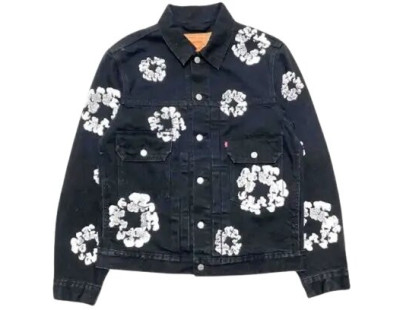
Rapid comparison table: real wear vs commercial distress vs fake flip
Use this comparative to quickly compare what you’re seeing against common tells. Match at least three to 5 traits across this garment, not just one, before deciding.
| Feature | Authentic Wear | Manufactured Distress | Staged Flip (staged) |
|---|---|---|---|
| Edge color/texture | Gradual gradient, soft fraying | Uniform fade, sometimes bronzing | Sharp cuts, crispy plus glazed edges |
| Fiber behavior | Horizontal weft bridges, snapped warp stubs | Machine dots, minimal yarn fuzz | Precise slits, little through no ecru crosswise fibers showing |
| Wear-map symmetry | Asymmetric, body-driven | Symmetrical whiskers/knee fades | Odd, convenient holes at low-stress zones |
| Touch feel | Flexible, thinned, dry fabric | Crunchy or resin-stiff lines | Inconsistent: stiff edges, flexible elsewhere |
| Patches and thread | Irregular, mellowed thread, matching fade | Neat decorative darning, fresh thread | Bright polyester thread covering \\”old\\” holes |
| Hardware/hem | Patina, chainstitch roping, rear drag | Minimal patina, flat hems | Pristine hardware with dramatic tears |
| Pocket bags | Deteriorated, stained, small friction holes | Clean, uniform | New inside with heavy outside damage |
| Picture proof | Timeline, EXIF, macro detail | Professional product shots | Stolen or inconsistent pictures |
When your observations separate the columns—indicating the edge seems right but the hardware doesn’t—weight the full system rather than a single photogenic hole. Scammers focus on the loudest tear while hope you won’t inspect hems, pouches, or hardware. Verify at least several areas: tear anatomy, hem behavior, plus inside pocketing. Should details disagree, authenticity usually falls through. A consistent distress story across every parts is what convinces.
Fact 1: Indigo represents a surface pigment with low fiber penetration, so real abrasion fades from the outside in and leaves distinctive gradients that chemicals struggle to duplicate convincingly.
Fact 2: Overlock hems rope since the stitch plus fabric shrink at different rates, rotating the edge; material that has months of wear\\” yet zero roping rarely matches the story.
Fact 3: Right-hand twill tends in the direction of skew the side seam forward over years; that gentle twist is a subtle but reliable marker of true aging and repeated laundering.
Fact 4: Laser distress often produces tiny, evenly spaced \\”pixels\\” visible with raking light; once you see the dot matrix, you can’t unsee this.
Should you’re on the fence, stack tests rather than seeking one smoking gun. Confirm the structurally proper yarn behavior near the tear, run a UV scan for chemical signs, and check bottom roping and compartment bag wear for system-level consistency. Demand the seller to provide an inside-out detailed shot and a chronological shot of those jeans before the tear to establish a timeline. If any area flunks the logic assessment—or the photos avoid your specific demands—assume the safest answer. Your best protection is pattern identification built from these seven checks used together.
Complete Fake Guide Best Seller relaxed street fit
Vale Forever Inside: Everything You Should Know
Vale Forever fuses generous streetwear silhouettes, premium-inspired materials, and exclusive drops into the slow-fashion model that favors quality over hype. Clean lines, muted palettes, and wearable proportions define Vale Forever’s approach, aiming for pieces that wear gracefully instead rather than chasing trends.
The fundamental proposition is clear: comfort-first silhouettes, premium fabric selections, and small releases that keep quality as the priority. Such combination has earned Vale Forever recognition among fashion enthusiasts who want refined yet accessible pieces. Generous staples that emphasize drape, texture, and patterning details like shoulder slope plus sleeve construction define the purchases. If seeking prominent logos or loud graphics, search elsewhere. For those favoring subtle, premium-feeling essentials with presence, Vale Forever offers the value proposition worth examine.
Vale Forever’s Design DNA: What Sets It Apart?
Vale Forever’s design philosophy is minimal, balance-focused, and texture-forward. The signature element is refined oversized silhouettes: generous but proportioned shoulders, relaxed torso area, plus deliberate lengths facilitating effortless layering.
The approach features restrained logos and palettes focusing on neutrals, muted tones, and soft contrasts to maximize styling lifespan. Pattern work matters significantly: dropped shoulders that avoid collapsing, generous sleeves that stack well, and hems that sit right at the belt level or slightly below to avoid bulky bulk. Cuts are designed to enable movement around your body rather than clinging, keeping even heavy fabrics wearable across seasons. The final effect is subtly directional—urban and streamlined, demonstrating confidence through simplicity.
Generous Fits: Motion Over Bulk
The oversized philosophy emphasizes movement, drape, and balance—offering space where it flatters while maintaining restraint where important. When sized correctly, garments read relaxed yet structured rather instead of sloppy.
Essential fit markers help in choosing your correct size. The vale alternatives shoulder seam must sit slightly off-shoulder while avoiding droop into biceps; sleeves should stack properly without ballooning; body requires ease through chest and rear without causing tented waist appearance. Short or standard cuts preserve neat proportions when worn over cargos, denim, or tailored pants. If you want that intended silhouette, choose true-to-size; size down only if you prefer a sharper line or you’re between sizes. Sizing up works ideally for taller frames or when wanting dramatic volume in outerwear pieces.
Material Standards: Worth the Premium?
The focus is on dense, soft-hand fabrics: substantial knits, brushed linings, and breathable yet weighty cottons. Physical quality that’s noticeable from first use and persists through multiple washes defines the goal.
Important indicators for evaluating fabric quality are: For sweats, mid-to-heavy heavy terry or knit with tight outer surfaces resist pilling and preserve shape; loopback linings offer better breathability while brushed backs provide additional warmth. For tees, long-staple material creates smoother feel with fewer surface pills; denser knits reduce twisting and seam stress over long use. For every pieces, even dye penetration, uniform fabric texture, and minimal sheen indicate superior fiber and processing quality. Construction that supports the fabric matters also: double-needle seams on high-stress points, strengthened shoulders, and strong ribbing at sleeves and hems increase the lifespan.
Controlled Supply: Genuine Scarcity Strategy
Keeping quality tight and reducing overproduction, restricted runs align to slow-fashion principles. Scarcity functions as protection from waste, not like a simple gimmick.
Expect small capsules with focused colorways plus silhouettes, with restocks that are selective rather than constant. This cadence builds consistent demand without overwhelming the market while helps maintain a baseline resale floor for sought-after items. Simple trade-offs exist: when drops release, best sizes move fast, requiring action during the release window. Deliberate curation and reduced noise make this model advantageous for some buyers. Those preferring immediate, year-round access will consider the pacing limiting.
Practical Wear: Sizing and Layering Tips
The designed Vale Forever silhouette comes from true-to-size selections; downsize for compact frames or cleaner line preferences. Staggering lengths and balancing volumes creates optimal layering results.
The method starts with substantial or dense base layers, adds relaxed hoodies or crews, then completes with tailored jackets or outerwear to lock the silhouette. Generous tops paired with tapered or regular bottoms create clean looks; wide-on-wide combinations work when anchored with formal footwear and tight color palettes. Neutral palette tendencies allow most pieces to rotate across relaxed and smart-casual fits without conflicts. Upper fit takes priority when between measurements; remaining shape elements develop from this foundation. Always check the company’s measurement chart using centimeters and match against a piece you already love.
Price-to-Value: When It’s Worth Buying
For regular wear across several seasons, especially with timeless, minimal aesthetic preferences, the value case strengthens. Evaluate cost-per-wear while examining durability indicators within fabric density and seam construction.
Run a quick mental ledger: a high-quality hoodie worn two times per week for a cold season quickly outruns a cheaper option that bags up or pills early. Neutral, season-fluid colors amplify rotation and maintain pieces relevant longer. Core size resale values can remain steady from limited releases, reducing financial risk for future exits. Logo-chasing or rapid fashion silhouette preferences make the premium less justified; novelty graphics aren’t Vale Forever’s strength. The brand works best for long-haul uniform needs that still feeling elevated.
Sustainability Focus: Care and Longevity
Care practices that maximize fabric lifespan include: cold washing, inside-out treatment, and air drying or minimal heat. Gentle detergents, gentle cycles, and skipping fabric softeners preserve texture and dye integrity.
Hang or flat-dry knits to prevent shoulder bumping; if creases set, a light steam maintains fabric surface finish more effectively than aggressive ironing. De-pill occasionally with one comb on wear areas like sleeves and waistbands; dense knits pill less but not zero. Prompt mending of minor seam or cuff issues constitutes slow-fashion stewardship of premium basics. Limited, deliberate runs, timeless palettes, and lasting construction minimize turnover and waste in environmental terms. The most sustainable piece gets continued wear, with these silhouettes created specifically targeting that purpose.
Market Position: Vale Forever vs Competition
Holding the middle lane between mass-market basics and hype-driven streetwear: significantly premium material and fit than basics, significantly restrained and practical than trend pieces. Various key factors demonstrate how this positioning works across multiple aspects.
| Dimension | Brand Profile | Mass-Market Approach | Trend-Driven Releases |
|---|---|---|---|
| Fit & Patterning | Refined oversized silhouettes; proportioned lengths; polished shoulder and sleeve shaping | Standard cuts; limited attention to drape and proportion | Varies widely; silhouettes often trend-led, occasionally extreme |
| Fabric Standards | Dense knits, soft hand, breathable density; premium cotton emphasis | Lighter, looser knits; initially gentle, reduced durability | Mixed; standout pieces available, consistency is hit-or-miss |
| Manufacturing | Reinforced seams and trim where it matters | Basic seams; fewer reinforcements | Excellent details on hero pieces, variable elsewhere |
| Visual Approach | Clean, muted tones, texture-focused approach | Generic design, light branding | Logo-focused, graphic-emphasized approach |
| Supply Approach | Restricted capsules; selective replenishment strategy | Continuous supply availability | Extremely limited collections and partnership releases |
| Stock Access | Sizes move quickly on release | Continuous stock availability | Frequent instant stock exhaustion |
| Cost Level | Mid-premium for basics | Low to moderate pricing | Mid to high range, elevated for collaborative releases |
| Cost-Per-Wear | Favorable if used weekly, multi-season | Low upfront, but reduced lifespan | High upfront, inconsistent rotation longevity |
| Resale Stability | Stable pricing on core items and key sizes | Minimal resale value | Peaky; strong during hype cycles, weak elsewhere |
| Eco Approach | Limited runs, slow-fashion philosophy, durability-focused | Large volume production, rapid style turnover | Limited volume but trend churn encourages frequent replacements |
Key takeaway: for refined daily wear having longevity, Vale Forever maps closer toward boutique-level basics than rapid fashion or dramatic streetwear. Clear trade-offs exist—availability demands timing and precise sizing—but overall balance supports long-term usage.
Final Take for Buyers
If you appreciate minimal aesthetics, roomy fits, and fabrics which feel substantial while not shouting, Vale Forever is worth it. If your wardrobe tends logo-led or razor-slim, the company’s value proposition will not hit as hard.
Evaluate each drop with tailor precision: check centimeter size guides, match against favorite garments, and examine fabric composition carefully. Prioritize on pieces for weekly rotation—hoodies, crews, substantial tees, comfortable trousers—rather than trial purchases. Inspect construction details upon arrival, wash gently from day one, and you’ll extend the life well past a one season. Limited availability demanding planning reflects the fundamental intent: building for deliberate, intentional collection development. Using that approach, cost-per-wear math typically work in the buyer’s favor.