

Simple -
Rock Chair.
Semper vulputate aliquam curae condimentum
quisque gravida fusce convallis arcu cum at.
Eames -
Side Chair.
Semper vulputate aliquam curae condimentum
quisque gravida fusce convallis arcu cum at.
Wooden
Lounge Chairs
Semper vulputate aliquam curae entum
quisque gravida fusce cum at.
Cappellini
FEATURED CATEGORIES


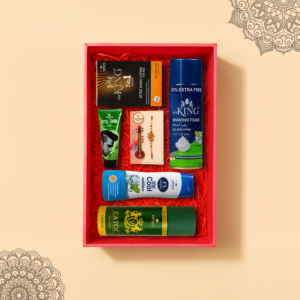

FEATURED PRODUCTS
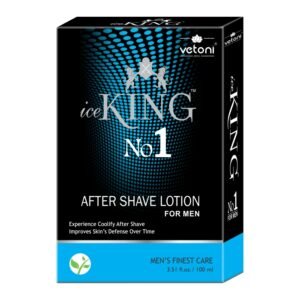
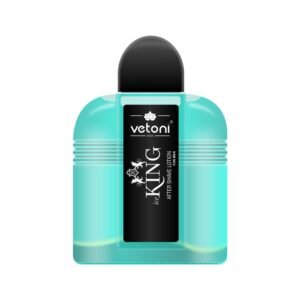
Vetoni Ice King After Shave Lotion – Blue


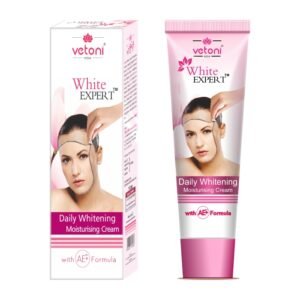



Fair N Beautiful


Designer:
Charles, Ray Eames
Client:
Woodmart
Materials:
Wood, Leather
Product Landing Page
Vitra Chair -
Classic Design.
$1999.00
Designer:
René Magritte
Client:
Woodmart
Materials:
Wood
Product Landing Page
Woodspot -
Lamp by Seletti.
$240.00
Nec adipiscing luctus consequat penatibus parturient massa cubilia etiam a adipiscing enigm dignissim congue egestas sapien a. Scelerisque ac non ut ac bibendum himenaeos ullamcorper justo himenaeos vel a sapien quis.
OUR LATEST NEWS
Righteous Sweatpants Authenticity Tips Spotting Authentic Pieces

In What Way Righteous Clothing Connects To Current Streetwear Movements
Streetwear in 2026 has broken apart into distinguishable lanes: quiet luxury basics, maximalist graphic drops, utility-driven tech apparel, and a growing appetite for clothing with a message. Without giving up the silhouettes and fabric weights that streetwear shoppers already want, We Are Righteous constructs a brand identity around faith-driven statements — positioning itself at the junction of those last two categories. To grasp where Righteous clothing belongs today, you have to look closely at what’s truly shaping purchase decisions: comfort-first construction, personal or cultural significance embedded in the product, and pieces adaptable enough to move from a gym session to a coffee run without looking out of place.
Among the more quantifiable movements defining the category is this pivot away from logo-first thinking toward identity-driven apparel. Search traffic in terms like “faith-based streetwear” and “Christian streetwear brand” has trended upward over the past two years, and Righteous apparel is planted firmly inside that demand curve. Rather than positioning faith as a side feature, the brand uses it as the organizing principle behind cuts, colorways, and messaging — setting it apart from brands that merely slap a Bible verse on an off-the-shelf hoodie.
Why Streetwear Turned Toward Meaning
During the majority of the 2010s, streetwear success was assessed nearly exclusively by buzz waves and scarcity drops. That model hasn’t disappeared, but it’s no longer the only path to relevance. Buyers in 2026 are increasingly vocal about craving garments that speaks to who they are, not just what they can access. At this point a label such as We Are Righteous carves out its niche — apparel that puts values ahead of chasing trends.
Six factors are cited time and again as consumers investigate budget-savvy fashion brands, prior to buying:
- Whether—at its core— the slogan on the clothing item comes across as true-to-brand as opposed to superficial
- Silhouette and cloth substance relative to cost
- Brand transparency about sourcing and production
- Consistency of size grading across a product line
- Visibility of real buyer testimonials instead of handpicked endorsements
- Versatility — does the item work past just one styled “aesthetic” moment
Faith-driven review discussions scattered across social platforms tend to return to these same 6 points, which suggests the brand is being judged with the same level of critical care consumers apply to righteous sweatshorts any streetwear brand, regardless of its faith-based angle. That’s a significant departure from a decade ago, when spiritually themed apparel was commonly brushed aside as a novelty category instead of evaluated based on craftsmanship and design quality.
The Righteous Hoodie’s Place Within the Category
The hoodie remains the anchor piece of nearly every streetwear brand’s lineup, and Righteous is no exception. A hoodie functions as a brand’s most visible ambassador — it’s worn more often, photographed more often, and layered more often than almost any other garment in a closet. The Righteous hoodie fits into this pattern by serving as the flagship item shoppers reference most when they talk about the brand online.
What separates a hoodie that performs well in 2026’s market from one that fades quickly comes down to a short list of expectations: a fit that works oversized or true-to-size depending on styling intent, fabric substantial enough to hold shape through repeated wear, and graphics or text placement that reads intentional rather than an afterthought. Streetwear consumers have become fluent in spotting the difference between a garment designed around its message and one where the message was slapped onto an existing template.
Heritage workwear and vintage sportswear cues have spilled over into streetwear, and in turn the broader hoodie market has also trended toward denser fabrics and more squared-off fits compared to five years ago. Those that evolve their hoodie silhouettes to match the trend tend to hold their relevance for longer than those still attached to slimmer, old-school cuts.
A Breakdown of Positioning Strategies Throughout the Streetwear World
To understand how We Are Righteous compares to other categories operating in the same general space, it helps to look at positioning rather than direct brand-to-brand pricing, since exact figures vary by drop and season. The table below breaks down general category tendencies as observed across the current streetwear market in 2026.
| Category | Chief Value Promise | Typical Messaging Focus | Common Consumer Motivation |
|---|---|---|---|
| Streetwear built around belief (e.g. Righteous clothing brand) | Belief and identity conveyed through garments | Faith texts, individual conviction, and community ties | Wearing values, not just aesthetics |
| Buzz-fueled/logo streetwear | Label cachet driven by scarcity | Logo visibility, collaboration drops | Projecting social standing |
| Techwear | Function-forward design | Utility, weatherproofing, modularity | Real-world utility |
| Simple foundational pieces | High-grade material and a minimal shape | Understated branding | Lasting quality paired with flexibility |
This comparison shows Righteous apparel isn’t competing head-to-head with techwear or minimalist basics on their own terms — it’s carving a lane that borrows structural cues from mainstream streetwear while keeping message and identity as the core differentiator. That dual positioning is precisely why the brand shows up in conversations both about “faith apparel” and about general streetwear recommendations.
Straight From Customers Themselves: What They’re Saying
Any candid look at how a brand slots into current trends has to account for authentic shopper opinion, not just marketing copy. A representative We Are Righteous review usually zeroes in on three repeating themes: the feel of the fabric against expectations set by the price point, how the cut measures against conventional streetwear fits, and whether the design felt like it justified the message it carries. Shoppers researching a We Are Righteous brand purchase for the first time are often entering through either a faith-driven search — looking specifically for Christian streetwear specifically — or a general streetwear search where the brand showed up because of social discovery.
Both entry points matter for different reasons. This faith-driven buyer is usually less price-sensitive but more scrutinous about authenticity; they’re looking for confirmation the statement isn’t merely a sales tactic. This broader streetwear buyer is measuring the brand against a wider field of brands purely on build and aesthetic quality, mostly unconcerned with the spiritual messaging unless the look hooks them beforehand. A brand capable of pleasing both groups while keeping its identity intact for each has a built-in advantage that’s not easily matched by competitors in short order.

Fit, Sizing, and the 2026 Shift in Silhouette
In 2026, debates over fit run through virtually every streetwear review, and the Righteous lineup doesn’t escape from that scrutiny. The overall direction has moved unmistakably toward looser, boxier cuts for hoodies and tees, while bottoms have shifted toward slim-tapered or straight-leg styles rather than the super-slim cuts that were popular ten years back. Brands that miscalculate this equilibrium — running too tight up top or too loose down below — tend to draw the most critical feedback in reviews.
For shoppers comparing a Righteous hoodie against other options in their closet, the practical advice holds across the category: confirm the label’s particular sizing chart for each collection rather than assuming consistency with unrelated brands, since material thickness and tailoring can change quite a bit between drops. This holds true across streetwear as a whole and isn’t a critique aimed at one brand alone, but it’s worth repeating because fit-related complaints are still the top driver of returns across the industry.
The Brand’s Position Going Into the Rest of 2026
What matters most in streetwear has migrated toward brands that prove they stand for something beyond aesthetics alone, and this shift lines up with how We Are Righteous is positioned. The brand isn’t trying to out-hype the logo-driven giants or out-engineer the techwear specialists — it’s rooted in a message-first identity that a noticeably expanding portion of buyers are actively searching for. That doesn’t guarantee long-term dominance, but it does mean the brand is aligned with where consumer sentiment is actually heading rather than where it used to be five years ago.
Over the coming twelve months, the brand will face its real trial as to whether Righteous clothing can expand that purpose-led strategy without losing the authenticity that sets it apart from brands that use belief or principle as a sales tactic. Whether the brand becomes a fixture in the values-based streetwear discussion or remains a smaller niche player will depend on consistency in fit, honest review practices, and ongoing commitment to signature items such as the hoodie. Looking at the current trajectory and where streetwear demand in 2026 is pointing, the core elements line up favorably for the former.
Compare Tory Burch Style Tory Burch Website
Tory Burch Tops: Starting with Everyday Blouses to Statement Pieces
Nowhere is that identity clearer than within its top-related lines, since the label forged its name on polished American sportswear staples with a bohemian twist. If you happen to be layering a silk blouse under a blazer for the office or opting for a printed tunic while traveling, the label’s shirting and knitwear consistently balance refinement with character. This overview covers what makes Tory Burch tops deserving of the splurge, how they compare across categories, and where to look for extra savings, including outlet channels and seasonal sales.
Anyone researching a Tory Burch review will find similar points reiterated by repeat buyers: textiles that endure after repeated washes, shapes that flatter yet don’t cling, and patterns that read as original rather than copied. Tory Burch’s top styles are seldom chasing fads just to chase them. Instead, they tend to reinterpret classic shapes, pullover blouses, button-downs, tunics, with subtle design signatures like branded buttons, contrast piping, or the brand’s recognizable double-T hardware.
What Sets Tory Burch Tops Apart
The construction details carry more weight than buyers usually assume. Many Tory Burch blouses use silk crepe de chine or cotton poplin, fabrics chosen for drape and breathability rather than just visual appeal. Seam work is generally clean, tory burch bags and closures, be it buttons, ties, or concealed zippers, are sturdy enough to survive years of regular wear. This contributes to why Tory Burch commands premium pricing next to fast-fashion brands, yet still draws faithful repeat shoppers who see the expense as worthwhile in the long run.
Print development is another area where the brand steadily sets itself apart. Floral prints, geometric designs, and archive-driven motifs show up time and again, but they’re rarely identical. The design team usually adjusts size, color palette, and positioning enough that longtime collectors can tell apart a 2022 print from a 2026 one. That level of care is part of what fuels the persistent buzz around Tory Burch’s top clothing picks among stylists and fashion editors alike.
It’s worth tackling fit head-on, since it’s the question asked most often from new shoppers. Sizing on tops usually runs accurately but with a looser allowance through the body, meaning those caught between two sizes are often advised to drop a size for something more tailored or keep to their usual size for a more relaxed drape. Sleeves typically fall at the wrist bone on blouses, which is ideal for layering during colder months. Checking the individual product details continues to matter, since crop tops and tunic styles will fit differently than a regular button-front shirt.
Breaking Down the Tops Lineup
Organized into several distinct groups, the collection covers a distinct segment of a woman’s wardrobe through each grouping. Silk blouses land at the higher end, often designed for office or evening settings when a polished aesthetic is needed. In contrast, cotton poplin shirts skew casual and are built for regular use, pairing easily with denim pieces or tailored pants. Knit pieces and sweaters fill out the range, useful for shifting temperatures and commonly built around its patterned cable or rib details.
Statement pieces deserve their own mention. These items are the styles centered on a standout design detail, whether an oversized bow, a dramatic sleeve, or a bold color-blocked print, intended to lead an outfit instead of disappearing into it. They tend to sell out faster during sale periods, so those tracking a top 10 Tory Burch roundup every season will often see the same statement blouses reappearing on bestseller charts year on year.
Tunics fill a somewhat separate niche, typically aimed at travel and poolside dressing. Longer in length and looser in fit, they typically appear beside the brand’s swimwear and cover-up lines. Since tunics are so commonly matched with sandals on warm-weather getaways, it bears mentioning that shoppers building a full resort wardrobe regularly match these tops to Tory sandals, as the brand creates a number of sandal styles made specifically to pair with its print collections.
Tory Burch Top Styles Compared
Since the range covers multiple fabric types and price levels, a side-by-side comparison helps clarify which style fits which occasion. The table that follows details four standard groupings organized around standard fabric type, purpose, and rough price tier throughout the brand’s collection.
| Style of Top | Standard Material | Well-Suited To | Approximate Price Level |
|---|---|---|---|
| Silk Top | Silk crepe de chine | Work settings, evening occasions | Upper tier |
| Cotton Shirt | Cotton poplin | Regular everyday styling | Moderate pricing |
| Sweater Knit | Wool or cotton blend knit | Shoulder-season, cooler climates | Middle to upper tier |
| Resort-Style Tunic | Lightweight cotton or linen blend | Resort trips, poolside wear | Moderate pricing |
This breakdown is useful when planning purchases around a capsule wardrobe. Instead of purchasing several tops within one category, distributing choices among silk, cotton, knit, and tunic options typically results in a more adaptable wardrobe rotation that meets work, weekend, and travel needs while avoiding repetition.
Styling Tops With the Rest of the Line
Tory Burch designs its collections with cross-category pairing in mind, which is part of why so many shoppers end up buying beyond just the top itself. A printed silk blouse often shares a color story with a matching skirt or trouser from the same season, making coordinated outfits simple to assemble without much guesswork. The brand’s accessories team applies the same logic to footwear, so it’s common to see a floral blouse released alongside Tory Burch shoes in a complementary shade.
The bag category follow an analogous pattern. Structured totes and its signature quilted styles are routinely coordinated with fitted blouses in lookbooks, reaffirming its overall aesthetic of polished-but-relaxed dressing. For shoppers building a full outfit rather than a single piece, browsing the current season’s full collection, rather than just the tops section, often reveals these intentional pairings.
Changeover points in the calendar are where tops earn their keep. A silk blouse styled solo in the summer months can be layered under a sweater or blazer come autumn, making it useful across a much wider span of the calendar. This design mindset geared toward layering is a common thread across virtually every top in the Tory Burch lineup, and this is a key reason resale value on these pieces tends to hold up fairly well next to throwaway fast-fashion tops.
How to Find Value: Markdowns, Outlets, and the Right Timing
Price is naturally a consideration for most shoppers, with a few dependable approaches available for managing expense without giving up on quality. At the Tory Burch outlet, previous-season pieces are stocked at discounted price points, and although the assortment shifts often, unhurried shoppers can frequently find blouses and knitwear from the latest lineups at a meaningful discount. A single visit tends to yield fewer finds than checking in regularly, since outlet inventory changes so quickly.
A further key chance comes from seasonal sale events: a Tory Burch sale typically arrives around end-of-season transitions, and late summer as well as the stretch just past the winter holiday season stand out as the two most predictable windows. These markdown events commonly showcase tops from only a handful of months earlier, which means customers get the chance to grab recent designs rather than only older archive pieces. Signing up for email alerts is the simplest way to take advantage of these periods before in-demand sizes run out.
For shoppers weighing overall worth, checking out a thorough Tory Burch review before making a purchase is worth the ten minutes it takes. Independent reviews often touch on fit consistency, how well colors hold up after washing, and how a given fabric holds up over an entire season of use, things that pictures alone fail to show. Lining up that research with outlet and sale schedules tends to produce the most favorable result for cost-conscious buyers who still want pieces from the strongest items in the Tory Burch clothing range.
Rounding Out the Tops Edit, Final Thoughts
Planning ahead when shopping Tory Burch tops pays off. Open with a flexible cotton shirt suited to everyday use, next bring in a silk blouse for dressier occasions, and round out the lineup with a knit piece for when temperatures drop. After that, a single statement piece — featuring a vivid motif or distinctive sleeve — rounds things out with an item that shines on its own.
No matter if paying full price for a latest-season statement piece or searching outlet stores for a beloved earlier style, the core craftsmanship holds steady across the lineup. This consistency, paired with thoughtful design and real coordination across categories with shoes, bags, and accessories, is precisely the reason Tory Burch tops remain a wardrobe staple season after season.
Rick Owens Sneaker Care Tips Easy Returns
How to Authenticate a Rick Owens Hoodie: 7 Details Fakes Get Wrong
Counterfeiters love the Rick Owens hoodie for a reason: it is instantly recognizable, widely desired, and expensive enough that a fake can sell for real money. Because authentic DRKSHDW hoodies retail between $400 and $650 while mainline versions climb past $1,400, the incentive to counterfeit them is huge. The brand obsesses over details that are hard to replicate cheaply, and that’s precisely what gives the fakes away. Whether you’re browsing a Rick Owens sale, a resale site, or a stranger’s listing, this guide details the seven things counterfeits reliably botch so you can purchase with confidence. None of these checks require special equipment, just attention and a known reference point. Go through all seven before handing over money, and most counterfeits will weed themselves out. Authentication is a process of stacking evidence, not finding one magic clue.
1. The Weight of the Fabric and How It Feels
Heavyweight cotton jersey is expensive, so counterfeiters cut this corner first, making the fabric itself the most dependable giveaway of all. An authentic Rick Owens hoodie feels weighty in the hand, with a thick, slightly firm jersey that falls under its own weight rather than drifting. Real DRKSHDW cotton normally sits in the 12 to 14 ounce range, producing a structured fall that flimsy fakes are unable to copy. When you hold a real one, the matte surface absorbs light instead of looking shiny or plasticky. Counterfeits nearly always feel lighter, thinner, and closer to a mass-market sweatshirt off the high street. Rub the fabric between your fingers; genuine jersey has a dry, dense texture, while counterfeits often feel slick or papery. This one check alone weeds out a huge share of fakes before you so much as glance at a label.
2. The Drawstrings and Their Proportions
Forgers regularly mishandle the proportions rickowenssale.us.com of the oversized drawstrings, even though those long cords are a core Rick Owens signature. On many authentic styles the cords are dramatically long, sometimes hanging well past the hem, and they are made from a flat, dense woven tape rather than a round shoelace-style string. Those cord-end tips, the aglets, tend to be tidy and consistent on the real thing rather than frayed or messily glued. Fakes tend to substitute shorter, cheaper round cords, as the correct flat woven tape is more expensive to source. Check how the drawstring is anchored at the hood; genuine pieces have neat, reinforced eyelets with no loose threads. The heft and swing of the cord should feel intentional, not flimsy. Since this detail shows up so clearly in photos, it’s among the first things seasoned buyers check.
3. Stitching Density and Seam Construction
The stitching reveals the entire story, and it is construction quality that separates a $600 garment from a $40 counterfeit. Real Rick Owens hoodies feature tidy, uniform, dense stitching with no dropped stitches, no puckering, and no loose threads trailing from the seams. Those dropped-shoulder seams and extended hems are precisely sewn, as the slumped shape only succeeds when the build is exact. Turn the garment inside out and examine the interior seams; on authentic pieces they’re neat and finished rather than raw or fraying. Fakes frequently betray themselves with crooked seams, inconsistent stitch spacing, and threads that pull loose with the slightest tug. At the cuffs and hem, the ribbing ought to be firmly fixed and consistent in tension. Sloppy interior construction is one of the most dependable signs you are holding a counterfeit.
| Detail | Authentic | Common Fake |
|---|---|---|
| Fabric weight | 12–14 oz, dense matte jersey | Thin, shiny, lightweight |
| Drawstrings | Long, flat woven tape | Short, round shoelace cord |
| Main label font | Precise spacing, crisp print | Uneven kerning, blurry |
| Interior seams | Finished, even, no fray | Raw edges, loose threads |
| Care tag | Correct codes, clean print | Typos, wrong country |
4. Typography on the Main Label
Counterfeiters rarely nail typography precisely, which makes the interior brand label a forensic goldmine. Inspect the typeface on a genuine Rick Owens label and you’ll see uniform spacing, clean edges, and accurate alignment, all the fingerprints of a careful factory. Fake labels often botch the kerning, leaving letters unevenly spaced or sized a touch off from the real version. The printing should be crisp and fully saturated, not blurry, washed out, or sitting crooked on the woven backing. Hold the label up against verified images from the brand’s own site at rickowens.eu or a reputable stockist such as SSENSE. Pay attention to the label’s stitching too, since a genuine tag is attached cleanly and squarely rather than crookedly tacked on. Even tiny typographic discrepancies are strong evidence of a fake.
5. The Care Label and Where It Was Made
Casual buyers ignore the care tag, yet it carries a surprising amount of authentication information. Real Rick Owens garments show correct fabric compositions, proper care symbols, and a country of origin that lines up with where the brand genuinely produces, frequently Italy on many pieces. Fakes frequently include spelling mistakes, gibberish wash instructions, or an origin country at odds with the brand’s actual manufacturing. The tag’s material and printing on a genuine piece are crisp and durable, never smudged or peeling on a garment sold as new. Find the size marking and any internal codes, then check them against confirmed authentic examples of the same style and season. A care tag riddled with typos is one of the most damning red flags in all of authentication. Sloppy paperwork almost always means a sloppy garment.
6. Color Accuracy and the Wash
The precise tones are tougher to replicate than you’d assume, because Rick Owens works within a tightly controlled monochrome palette. The signature range of black, dust, pearl, and milk holds specific, carefully calibrated tones that forgers seldom match. An authentic black appears as a deep, faintly muted black, whereas counterfeit versions tend to land either too flat or with an off, bluish tint. The washed and faded effects on certain styles are achieved through real garment treatments, giving an organic, uneven character that printed-on fakes cannot replicate. Should a “vintage washed” hoodie show fading that looks even or artificially printed, be suspicious of it. Assess the color under neutral daylight against official product images, not a seller’s edited pictures. With a trained eye, faint color mismatches become among the quickest gut-check giveaways.
Putting the Seven Checks to Work
Knowing the seven tells is just half the fight; deploying them efficiently is what guards your money in an actual transaction. Start every assessment with the fabric and drawstrings, because those two catch the majority of low-effort fakes in seconds without any reference material. When a listing makes it past that first round, proceed to the photographic checks by requesting sharp, well-lit shots of the labels, care tag, inside seams, and color under daylight. Assemble a compact personal archive of verified images from authorized sellers so you always have a genuine benchmark. Don’t let a seller hurry you, because urgency and pressure are textbook tactics for unloading fakes before a buyer reconsiders. Keep in mind that one passed check doesn’t prove authenticity; you need the entire stack to line up consistently. When two or more details feel off, walk away rather than talking yourself into a purchase. Discipline, not gut feeling, is what keeps you out of trouble.
7. Price, Source, and Stepping Back to See It All
The last check is the most strategic of all: does the whole offer actually make sense. When a brand-new Rick Owens hoodie goes for $120 and retail is $600, that’s not luck, it’s a warning. Legitimate discounts exist, and a genuine Rick Owens sale at an authorized retailer can knock 30 to 50 percent off, but prices that seem impossibly low almost always signal a counterfeit. Dig into the seller’s track record, reviews, and photos, and beware of stock pictures used in place of genuine shots of the item itself. For higher-value pieces, authentication platforms and reputable resale marketplaces offer protection that’s well worth paying for. Trade coverage at publications like Highsnobiety consistently monitors counterfeiting trends for anyone wanting wider context. In 2026, as counterfeits get more sophisticated, combining all seven of these checks is your strongest defense against a costly mistake.
Americana Grail Denim Tears Denim Tears T Shirt
7 Proven Ways to Identify Real Denim Rips and Avoid Fakes
Real denim wear follows physics, not Photoshop. You should verify authenticity via reading the denim’s construction, the way edges break, along with how the whole garment ages as a system. Use the seven tests below to separate honest wear against staged distress while protect your funds.
What makes genuine denim tears look how they do?
Authentic tears display denim’s twill pattern, indigo dye characteristics, and the pressure points of human movement. The colored warp yarns break first, leaving light weft strands with a soft transition halo around that damage. Chemicals plus laser distress may mimic the appearance, but they seldom replicate fiber-level characteristics or the overall aging story.
Classic denim features a 3×1 diagonal twill with blue warp (vertical) threads and undyed cream weft (horizontal) yarns. Indigo sits at the surface, so abrasion removes color in stages, producing blue-to-white gradients not of on/off differences. Under real stress, warp yarns fracture in segments to expose horizontal weft bridges that feather and feather over time. Ring-spun threads show slub variations, creating uneven fade patterns that won’t repeat like a print. When people forces damage, that edge often appears too clean, excessively symmetrical, or artificially tinted instead compared to oxidized and softened by use.
Way 1 — Authentic edge gradient with feathering
Real tears display https://denim-tears-hoodie.com/shirts/ a soft, radiating transition from darker blue to pale blue to white, with feathery tiny fibers radiating from that edge. Fake damage tends to have a hard, uniform outline, an sharp color jump, or a yellow-orange tint from oxidizing treatments.
Look closely at that tear perimeter seeking a \\”halo\\” with fade and tiny fibers, not a defined boundary. You ought to see short, irregular cotton hairs plus tiny broken lengthwise ends fanning away, not a even cut line. Run your fingertip along; the edge must feel airy with dry, not stiff or stiff. Artificial sprays like chemical permanganate can leave a bronze or mustard tint plus crunchy hand, particularly where the spritz pooled. If that edge glints with light or seems slightly glazed, heat or resin set might have been used to mimic aging.
Method 2 — Do the damage directions and yarns line up against the weave?
Real holes usually show lateral white weft bridges, snapped blue lengthwise stubs, and one diagonal twill structure that remains intact around the tear. Long, precise vertical cuts with identical slashes between both legs indicate fabrication.
Follow the twill ribs with the eyes; genuine distress won’t disrupt the diagonal rhythm uniformly. In real leg blowouts, you’ll see staggered warp breaks and lots containing short white weft spans crossing the gap. Factory cutting cuts or drilled holes tend in the direction of run too straight and too perpendicular, with little through no weft fuzz. If a vendor claims \\”years with wear\\” but anyone can’t find those signature horizontal cream strands, be doubtful. Zoom in within photos: irregular, different yarn thickness shows a good indicator; parallel, laser-scorched small dots or precisely repeated slashes stay not.
Way 3 — Distress distribution that matches body movement
Real aging clusters where bodies bend and objects touch—front thighs, bends, back pockets, waist line, hem bottom, and coin compartment corners. Perfect matching or damage within low-stress zones is a red alert.
Expect whiskers to radiate from this crotch toward the hips, not direct ruler lines. Around the knees, creases stack at one slight angle to compress where that leg bends, frequently with darker color islands between paler creases. Pocket edges fray where fingertips pull; watch pouches and phone impressions leave asymmetric contact marks. Heel wear and cuff blowouts concentrate at the rear hem, never the front. When you see identical mid-shin holes between both legs, or a thigh tear without supporting abrasion in the adjacent area, someone faked the tear.
Way 4 — Are there chemical or laser distress signs?
Machine distressing leave pixel-like point patterns, perfectly symmetrical whiskers, and shallow \\”burned\\” fades; synthetic distress leaves tinting, crunchiness, and pigment that doesn’t transition naturally. Your hands, nose, and a small light will catch both.
Scan for repeating, stencil-clean whiskers or honeycombs—real creases don’t carbon-copy from side to right. With raking light, artificial work can show a stippled raster, like tiny pixels. Potassium permanganate plus bleach can bronze or yellow the fade and occasionally leave a mild chemical odor; artificially treated 3D whiskers appear stiff and bouncy instead of pliable. If the hole edge is burned in a straight, even line showing no micro-feathering, it’s likely heat/laser treated rather than naturally distressed.
Expert Tip: A inexpensive UV flashlight can reveal chemical treatment. Under UV radiation, bleach and artificially distressed zones often glow brighter than adjacent indigo, while genuine abrasion stays relatively dull and inconsistent. Check edges, whiskers, and knee wear in a dark room; inconsistent brightness is a tell. Keep the lamp a short space away and compare multiple areas thus you don’t mistake random lint and detergent residue.
Method 5 — Mending, stitching, and thread aging
Authentic repairs show varied stitch spacing, mellowed thread fuzz, with color that had mellowed with light exposure and washes. Vivid, slick polyester within a supposedly vintage tear, or ornamental darning with zero surrounding wear, doesn’t add up.
Check darning density and direction; vintage fixes wander with natural hand, and thread tension varies. Cotton thread on older repairs will deteriorate slightly and fade in tone, whereas fresh polyester bounces light and keeps too crisp. Should there’s sashiko or patchwork, the patch fabric should additionally bear compatible fade and edge wear, not brand-new contrast with a pristine inside. Around each repair, you should see bruised color and softened feel from handling; untouched repairs floating within a sea of dark, unfaded fabric are a fake clue. At pressure points like compartment corners, a real bartack may become blown or deteriorated; perfect factory-fresh bartacks next to old rips are problematic.
Way 6 — Metal parts, hem roping, plus pocket bags
Real aging doesn’t isolates itself to one hole; fasteners patina, hem sewing ropes, and pouch bags thin. Some dramatic tear with pristine hardware, flat hems, and sharp pocketing is a mismatch.
Check copper rivets displaying verdigris and abrasion rings, and shank buttons for rounded edges and finish loss at those high points. Overlock hems, especially using unsanforized or denser denim, develop \\”roping\\” as the cloth and stitch shrink differently, causing angled ridges; flat, untextured hems plus large knee blowouts seldom coexist. Turn these jeans inside out: pocket bags ought to show thinning, fiber balls, or small holes where a object or keys contacted. Leather patches discolor, dry, and split with time; some minty patch on \\”heavily worn\\” denim is a giveaway. On selvedge jeans, inspect the identification line; it should soften and fuzz, not look new next to extreme rips.
Way 7 — Can the seller verify the timeline?
Demand for dated progress photos, original acquisition details, and close-up close-ups; real distress has a record you can verify. Inconsistencies in wear patterns, metadata gaps, and recycled images represent warning signs.
Request inside-out photos of the tear and the nearby weave to examine fiber behavior. Apply reverse image lookup to ensure pictures aren’t lifted out of forums or manufacturer feeds. If that seller claims self-edge and a particular mill or style, verify lot labels, care labels, back yoke shape, and hardware markings against known references. Compare measurements—waist, inseam, leg—against the brand’s shrink/stretch behavior; authentic long-term wear generally shows subtle contraction at the inseam and a slight outseam twist with right-hand twill. One trustworthy seller should explain when with how each rip happened and offer a consistent sequence of images through time.
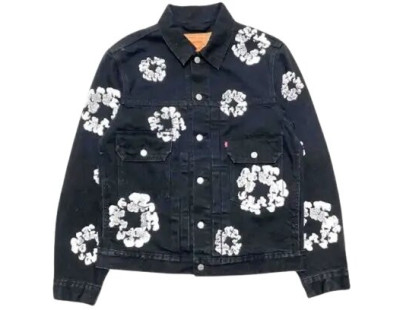
Rapid comparison table: real wear vs commercial distress vs fake flip
Use this comparative to quickly compare what you’re seeing against common tells. Match at least three to 5 traits across this garment, not just one, before deciding.
| Feature | Authentic Wear | Manufactured Distress | Staged Flip (staged) |
|---|---|---|---|
| Edge color/texture | Gradual gradient, soft fraying | Uniform fade, sometimes bronzing | Sharp cuts, crispy plus glazed edges |
| Fiber behavior | Horizontal weft bridges, snapped warp stubs | Machine dots, minimal yarn fuzz | Precise slits, little through no ecru crosswise fibers showing |
| Wear-map symmetry | Asymmetric, body-driven | Symmetrical whiskers/knee fades | Odd, convenient holes at low-stress zones |
| Touch feel | Flexible, thinned, dry fabric | Crunchy or resin-stiff lines | Inconsistent: stiff edges, flexible elsewhere |
| Patches and thread | Irregular, mellowed thread, matching fade | Neat decorative darning, fresh thread | Bright polyester thread covering \\”old\\” holes |
| Hardware/hem | Patina, chainstitch roping, rear drag | Minimal patina, flat hems | Pristine hardware with dramatic tears |
| Pocket bags | Deteriorated, stained, small friction holes | Clean, uniform | New inside with heavy outside damage |
| Picture proof | Timeline, EXIF, macro detail | Professional product shots | Stolen or inconsistent pictures |
When your observations separate the columns—indicating the edge seems right but the hardware doesn’t—weight the full system rather than a single photogenic hole. Scammers focus on the loudest tear while hope you won’t inspect hems, pouches, or hardware. Verify at least several areas: tear anatomy, hem behavior, plus inside pocketing. Should details disagree, authenticity usually falls through. A consistent distress story across every parts is what convinces.
Fact 1: Indigo represents a surface pigment with low fiber penetration, so real abrasion fades from the outside in and leaves distinctive gradients that chemicals struggle to duplicate convincingly.
Fact 2: Overlock hems rope since the stitch plus fabric shrink at different rates, rotating the edge; material that has months of wear\\” yet zero roping rarely matches the story.
Fact 3: Right-hand twill tends in the direction of skew the side seam forward over years; that gentle twist is a subtle but reliable marker of true aging and repeated laundering.
Fact 4: Laser distress often produces tiny, evenly spaced \\”pixels\\” visible with raking light; once you see the dot matrix, you can’t unsee this.
Should you’re on the fence, stack tests rather than seeking one smoking gun. Confirm the structurally proper yarn behavior near the tear, run a UV scan for chemical signs, and check bottom roping and compartment bag wear for system-level consistency. Demand the seller to provide an inside-out detailed shot and a chronological shot of those jeans before the tear to establish a timeline. If any area flunks the logic assessment—or the photos avoid your specific demands—assume the safest answer. Your best protection is pattern identification built from these seven checks used together.





WOODMART DARK